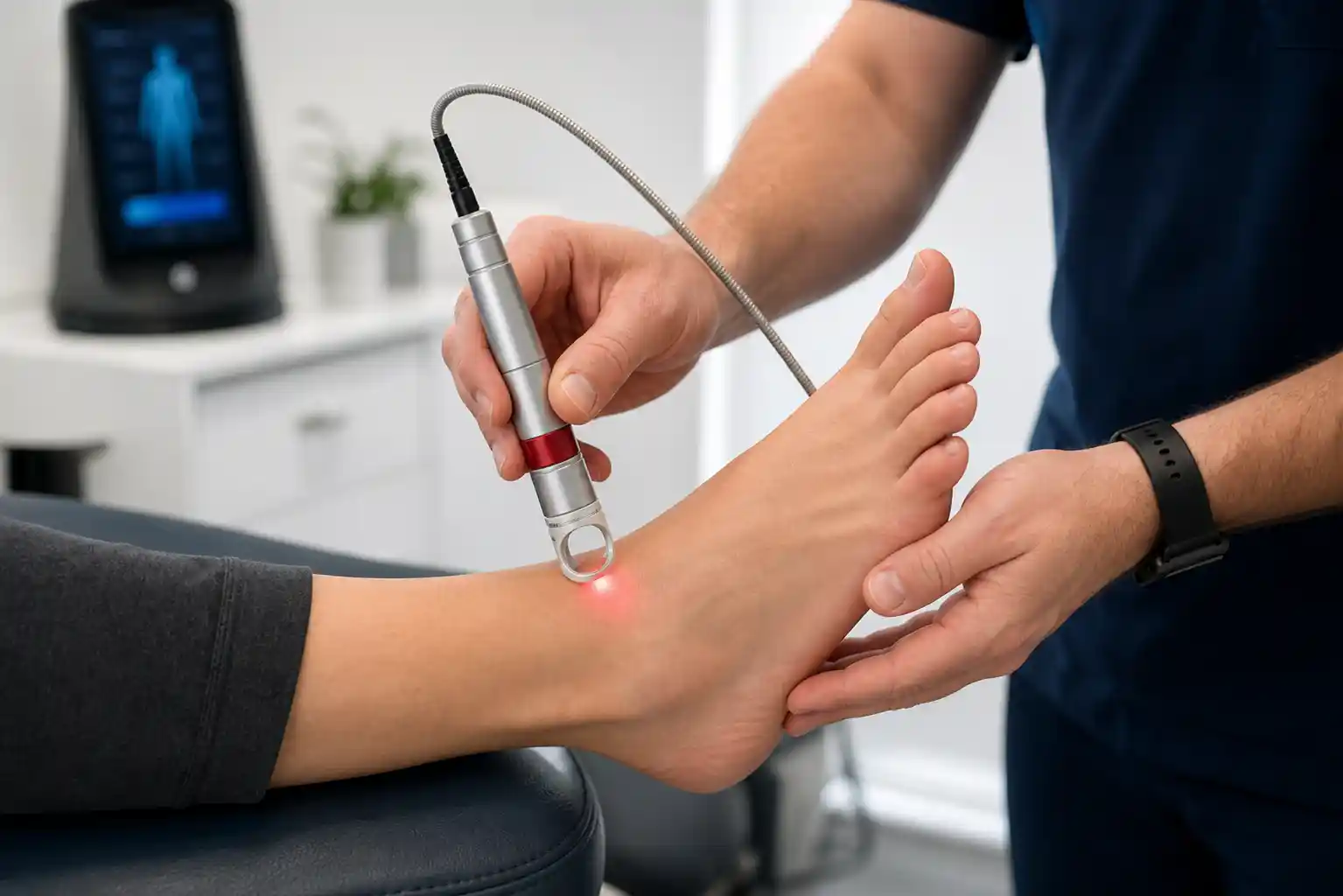
Class IV Laser Therapy
Class IV laser is used to support circulation, comfort, inflammation control, and nerve-function goals as part of an advanced neuropathy protocol.
Goal: reduce burning tingling numbness and nerve pain
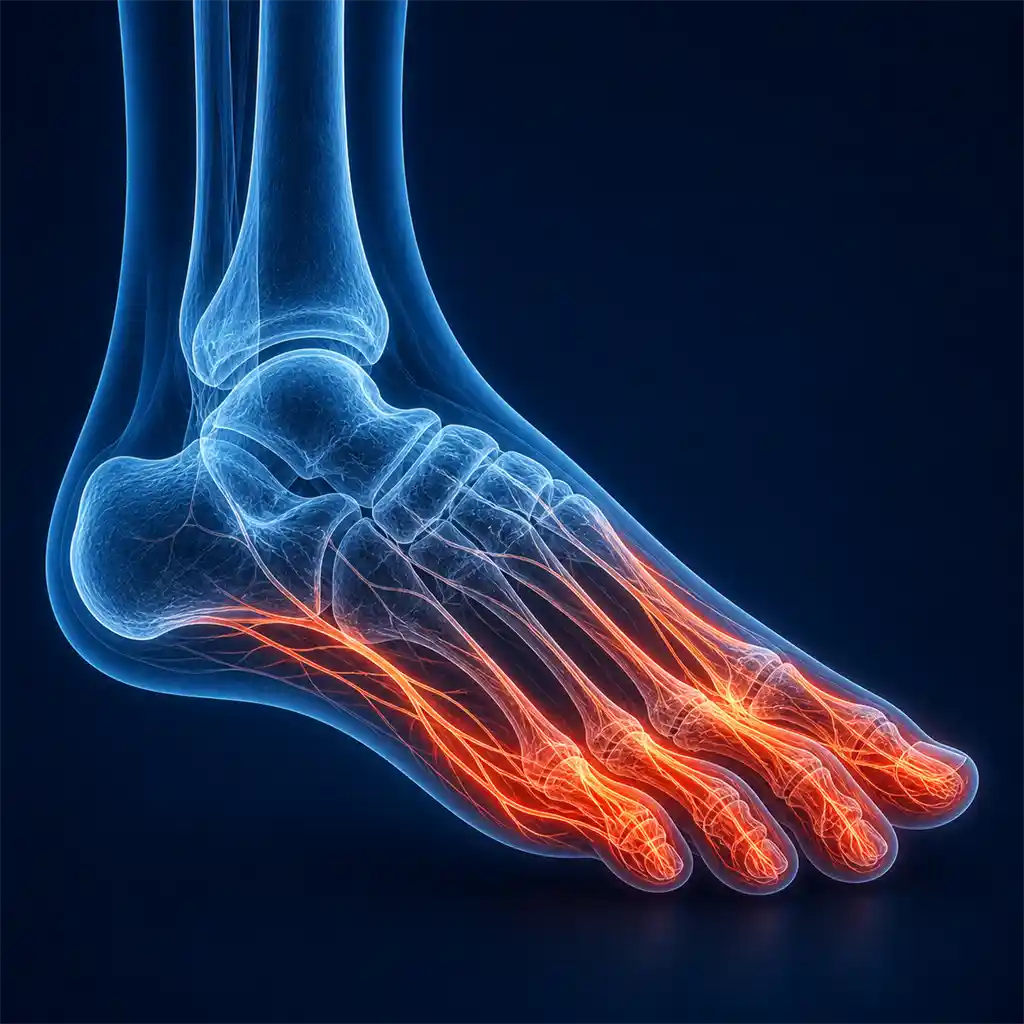
Peripheral neuropathy is damage or dysfunction of the peripheral nerves causing numbness, tingling, burning, and weakness most commonly in the hands and feet. Dr. Lazarus emphasizes conservative neuropathy care, including Class IV laser, neoGEN electric cell signaling, radial shockwave therapy, and regenerative biologic discussions when appropriate.
If these symptoms are affecting your daily movement, your body is telling you something. You do not have to keep working around it - the sooner you get an accurate answer, the sooner you can start moving freely again.
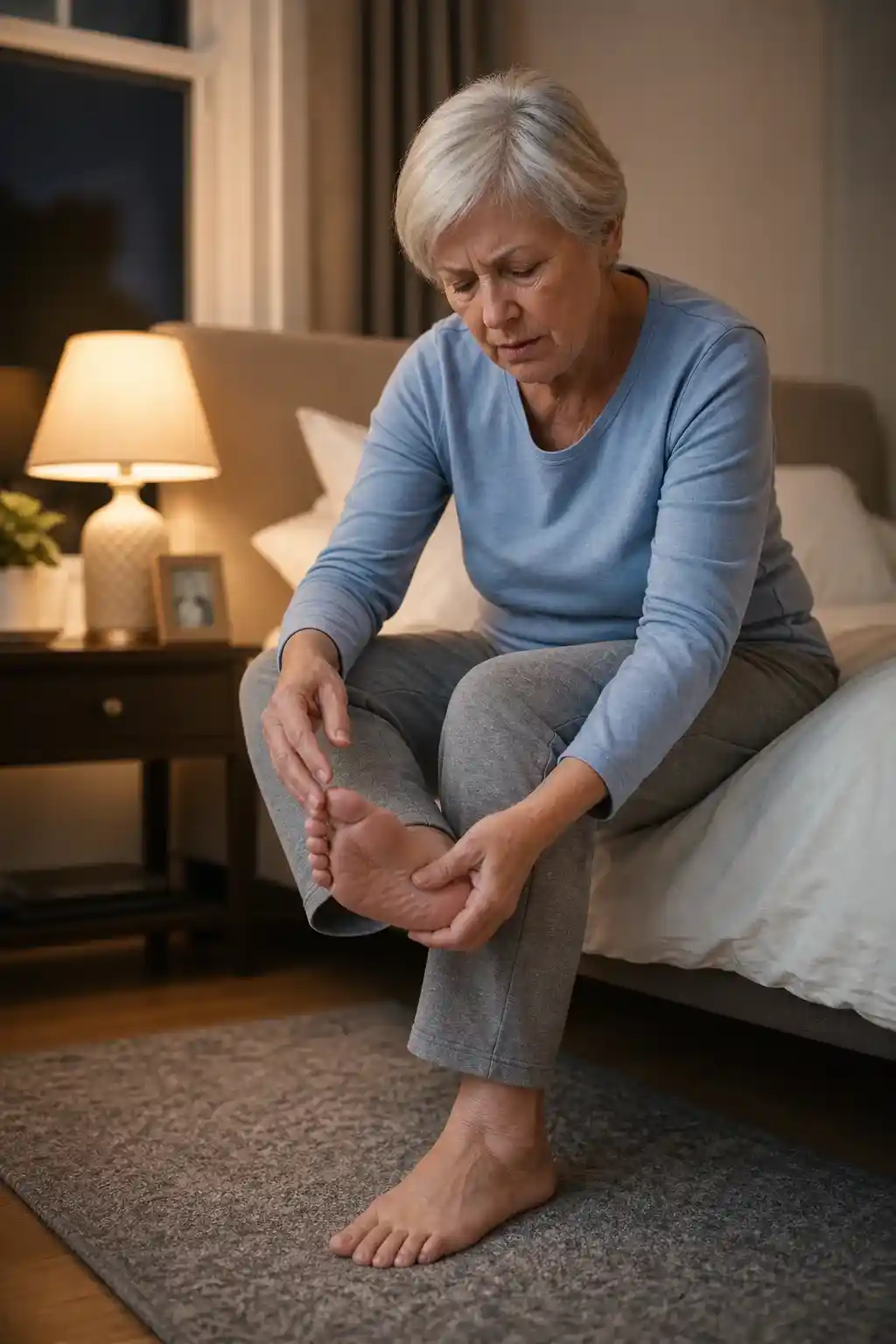
A focused evaluation helps determine which factor is driving your symptoms and what treatment path makes sense next.
most common cause accounting for over 60 percent of cases
nerve damage from cancer treatment
B12 and folate deficiency damage nerve myelin
body attacks its own nerve tissue
toxic effect on peripheral nerves
no identifiable cause in up to 30 percent of cases
Dr. Lazarus focuses on identifying the root cause and matching treatment to the condition, not forcing every patient into the same routine.
Class IV laser is used to support circulation, comfort, inflammation control, and nerve-function goals as part of an advanced neuropathy protocol.
Goal: reduce burning tingling numbness and nerve pain
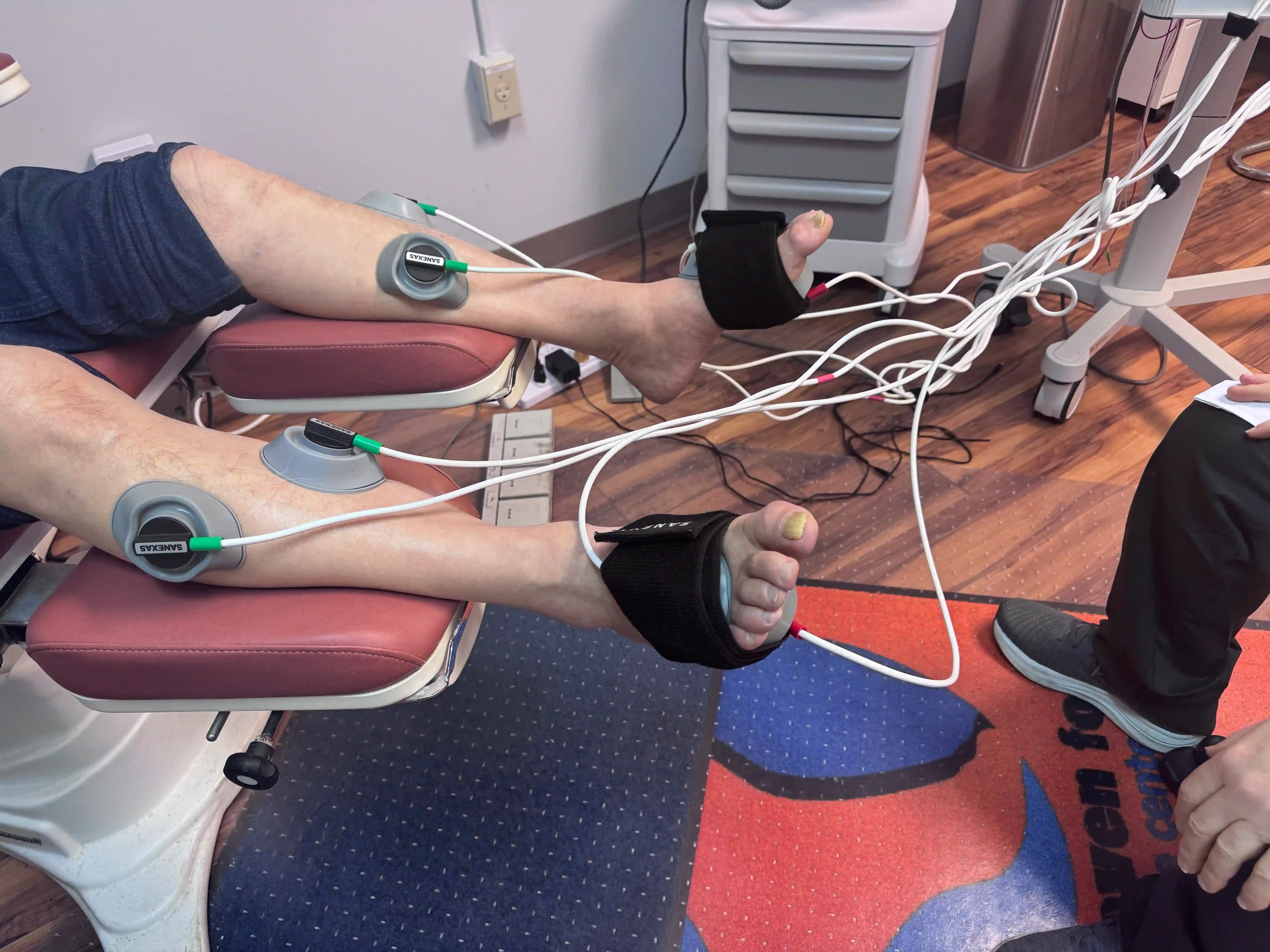
The neoGEN device delivers electric cell signaling energy to support nerve communication, circulation, pain modulation, and nerve-function goals.
Non-drug nerve support for selected neuropathy patients
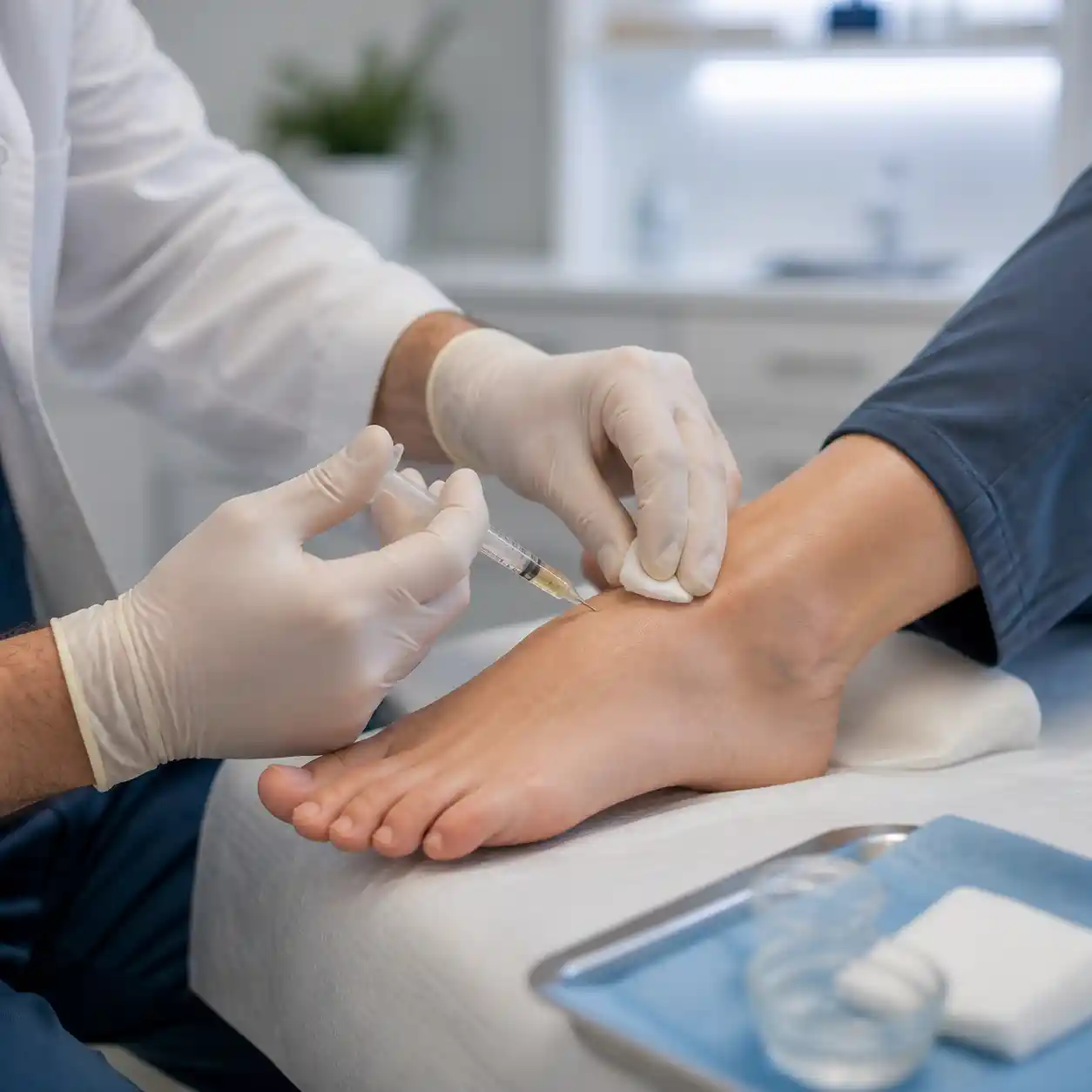
Dr. Lazarus may discuss regenerative biologic options as part of a broader conservative plan when the diagnosis, risks, and goals make sense.
Evaluation-based biologic discussion when appropriate
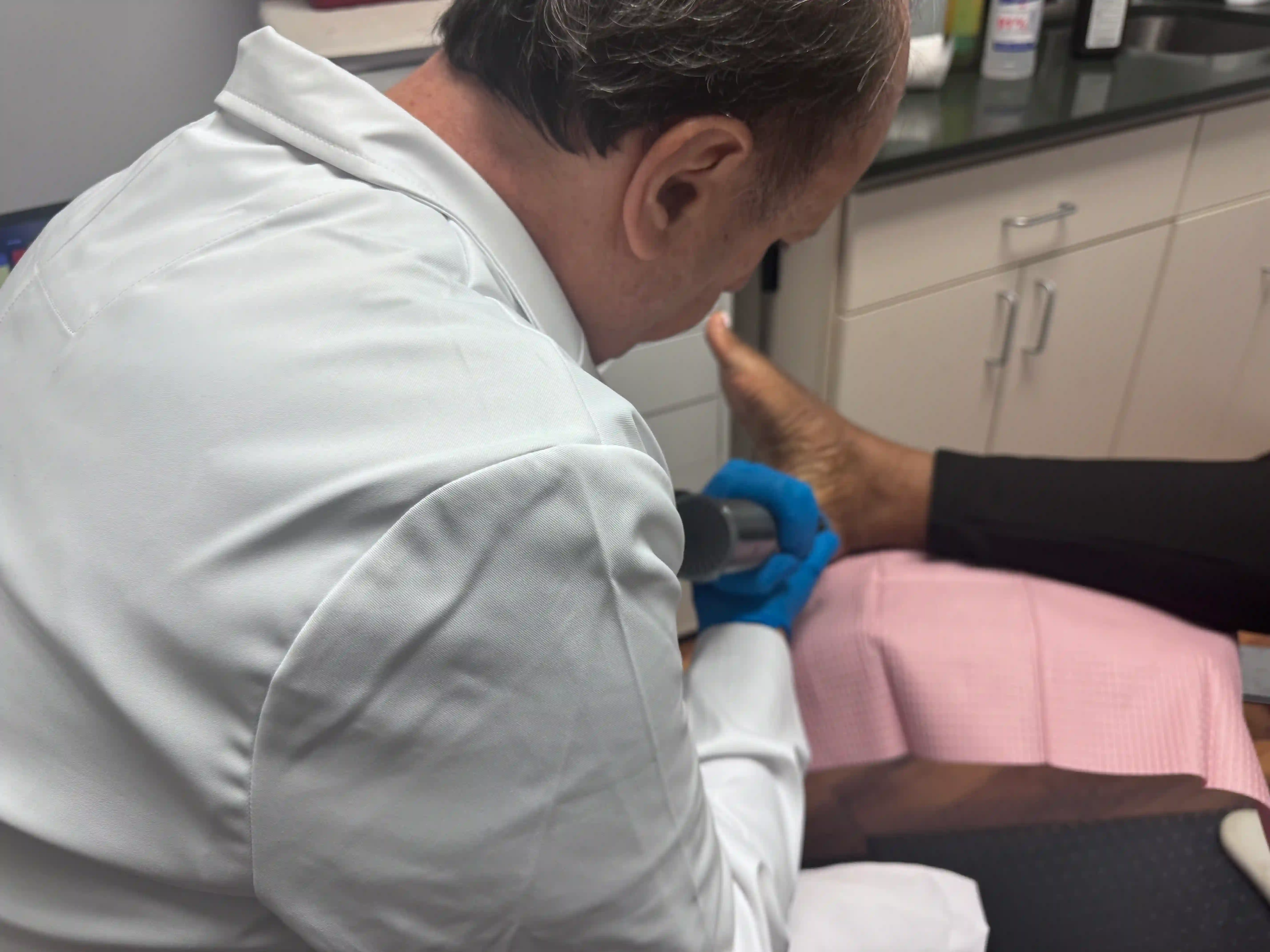
Radial shockwave may be included in selected neuropathy treatment plans to support local circulation, soft-tissue healing, and pain modulation.
Additional conservative support when the diagnosis fits
No generic treatment plan. No guesswork. Just a clearer path forward.
Book Your Consultation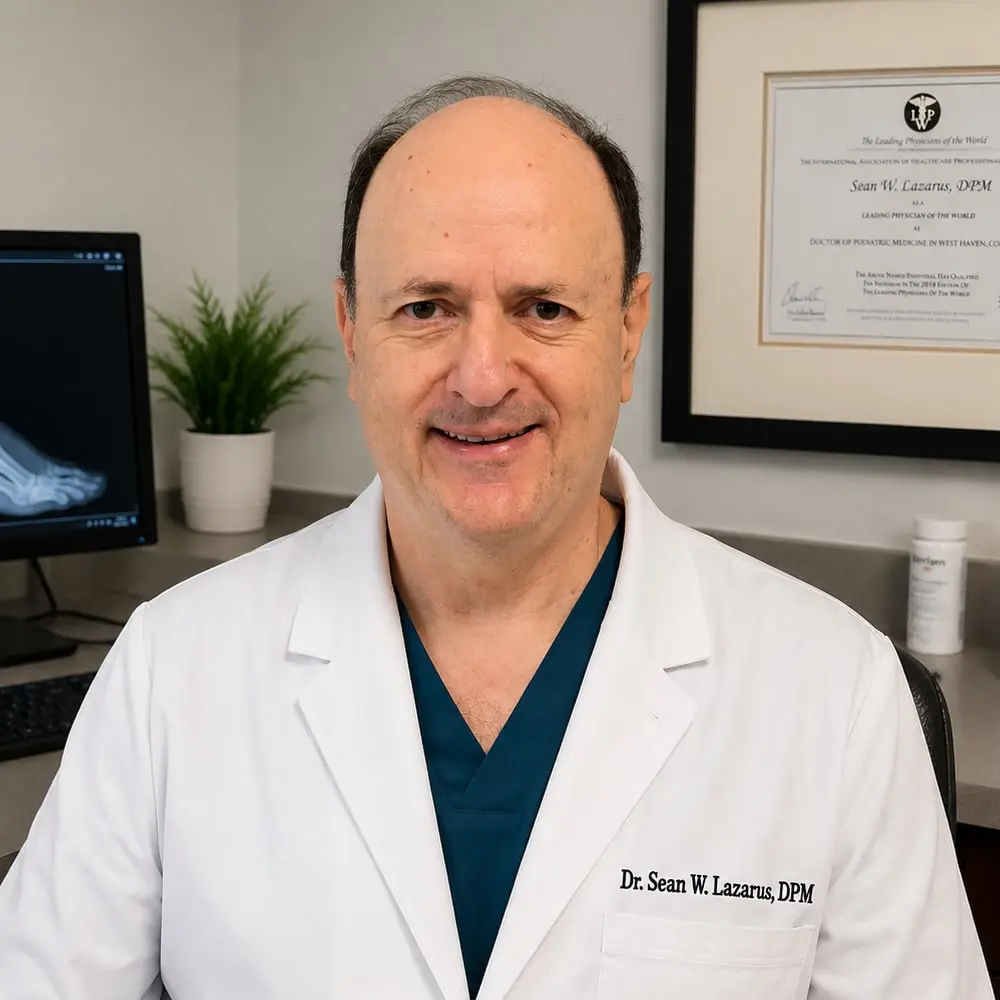
Dr. Lazarus combines advanced treatment technology with focused podiatric expertise, helping patients understand what is actually happening and what can be done about it.
Some neuropathy symptoms can improve when the underlying cause is addressed, but results depend on cause duration severity and overall health. Dr. Lazarus uses conservative options such as Class IV laser neoGEN electric cell signaling radial shockwave therapy and regenerative biologic discussions when appropriate to support nerve function and symptom control.
Class IV laser therapy may help neuropathy patients by supporting circulation comfort inflammation control and nerve-function goals. Dr. Lazarus uses laser protocols tailored to each patient's symptoms and diagnosis.
Most patients require 6 to 12 sessions depending on severity and duration. Improvement is typically noticed within the first 3 to 4 sessions. A personalized treatment plan is created after your initial consultation.
Coverage varies by plan and by treatment. Some advanced neuropathy treatments may not be covered by insurance. Call (475) 238-7400 and our team will verify your benefits before treatment begins.
Diabetic neuropathy is a specific type of peripheral neuropathy caused by diabetes-related nerve damage. The symptoms are similar but diabetic neuropathy requires careful coordination with diabetes management. Dr. Lazarus treats both with protocols tailored to each.
Yes. Untreated peripheral neuropathy typically progresses leading to increased numbness muscle weakness balance problems and in diabetic cases increased risk of foot ulcers and amputation. Early intervention produces significantly better outcomes.
Still have questions about your specific situation?
Talk to Dr. Lazarus's TeamSchedule your consultation with Dr. Sean Lazarus and get a treatment plan built around what is actually happening in your foot or ankle.
764 Campbell Ave, West Haven CT 06516 · Mon, Tue, Thu, Fri: 8:00 AM - 5:00 PM